How to Choose the Right EMS Equipment Manufacturer for Your Business?
How to Choose the Right EMS Equipment Manufacturer for Your Business?
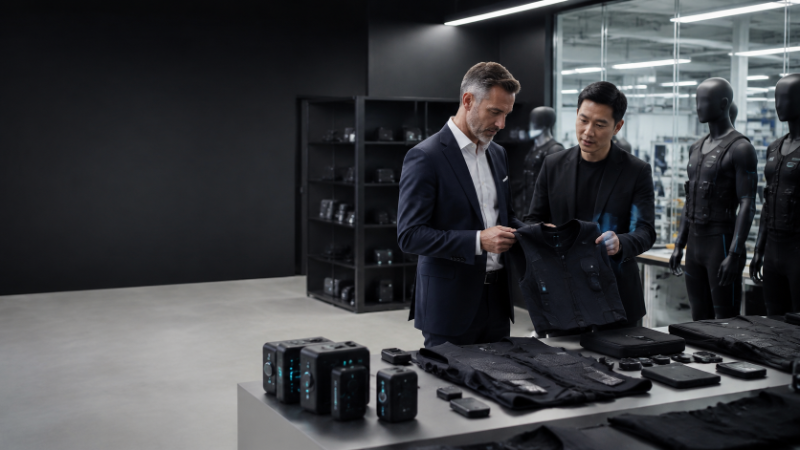
Choosing an EMS manufacturer looks simple at first. Then the real problems start. Poor quality, weak support, and unclear compliance can damage your business fast.
To choose the right EMS equipment manufacturer, I would check product safety, manufacturing ability, EMS industry experience, OEM/ODM support, certifications, sample quality, software stability, after-sales service, and long-term supply reliability before placing a bulk order.
When I look at an EMS supplier, I do not only ask for a price list. I try to understand how the manufacturer thinks. EMS equipment touches the body. It uses electrical stimulation. It needs stable output, good materials, clear instructions, and a reliable training system. So I treat the supplier decision as a business risk decision.
A cheap EMS suit can look fine in photos. A low-quality device box can also look modern on a website. But the real test comes after users start training. If the electrodes do not contact well, the session feels uneven. If the battery box is unstable, the trainer loses trust. If the software is hard to use, the studio wastes time. If the supplier cannot explain certificates, importers may face trouble in their market.
This is why I prefer to choose a full-chain EMS partner instead of a simple product seller. A good manufacturer should understand dry EMS suits, wet EMS suits, EMS device boxes, software connection, sample development, mass production, packaging, and brand customization. That is the difference between buying a product and building a business.
Why Should I Check EMS Industry Experience First?
Many suppliers can sell fitness products. But EMS is not a normal sportswear product. It combines apparel, electronics, stimulation control, and user safety.
I would choose an EMS manufacturer with focused industry experience because EMS equipment needs stable electrical output, proper electrode placement, durable garment construction, and clear safety guidance. General fitness suppliers may not understand these details.
Experience matters because EMS has many hidden details. A suit is not only fabric. It is also electrode layout, wiring, stitching, size grading, comfort, sweat resistance, cleaning method, and signal transmission. A device box is not only a plastic shell. It includes battery performance, charging method, output stability, software pairing, and long-term durability.
When I check a manufacturer, I ask how long they have worked in EMS. I also ask if EMS is their main business or only one product line among many other fitness items. A focused EMS company can usually answer deeper questions. They can explain the difference between dry EMS suits and wet EMS suits. They can explain why a studio may prefer wet suits for stronger contact. They can also explain why home users may prefer dry suits because setup is easier.
What I Look For In EMS Experience
| Checkpoint | Why I Care |
|---|---|
| Years in EMS | It shows whether the supplier has seen real market problems |
| Main product focus | A focused EMS supplier usually understands the category better |
| Dry and wet suit options | Different business models need different equipment |
| R&D ability | EMS products need continuous technical improvement |
| Real production base | It helps control quality, delivery, and customization |
| Existing global partners | It shows whether the product has been tested in real markets |
For example, Loksource was founded in China in 2017 and focuses on EMS training equipment and apparel. It works on dry EMS suits and wet EMS suits, and it connects systems through an energy box and software. This kind of category focus matters to me because I do not want a supplier who only understands the surface of EMS.
I would also check whether the company can support different business models. A gym may need durable full-body systems. A beauty center may care more about client comfort and visible body-shaping experience. A distributor may need private labeling and stable delivery. A home fitness brand may need simple setup and clear instructions. A real EMS manufacturer should understand these different use cases.
How Do I Judge Product Safety And Compliance?
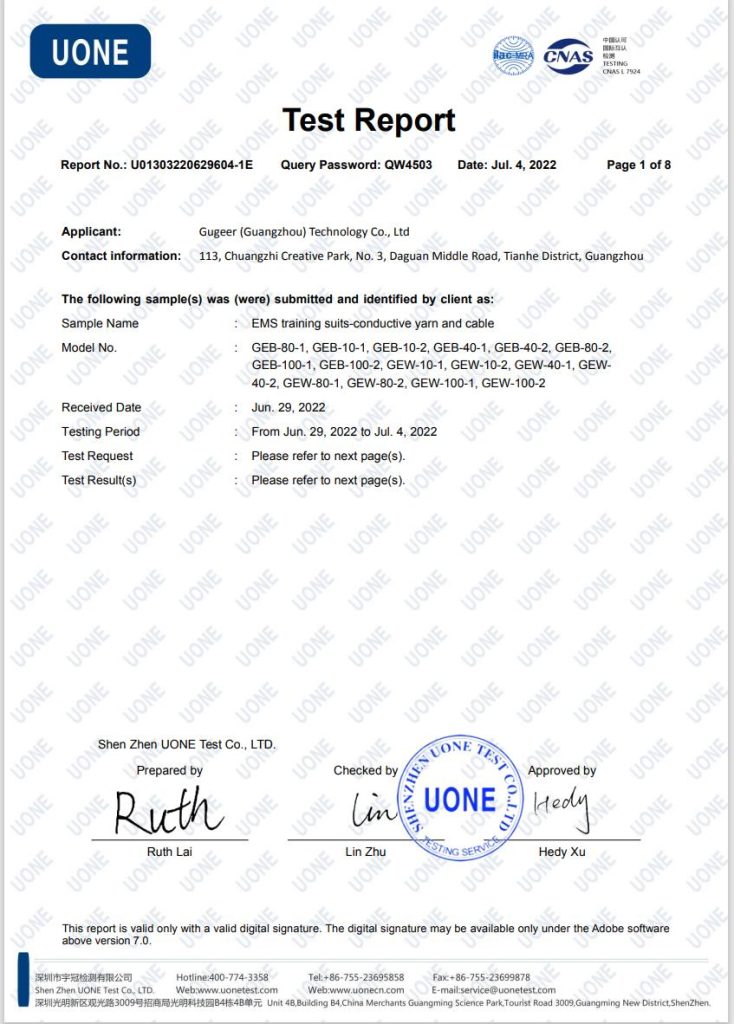
EMS equipment uses electrical stimulation, so I do not treat compliance as a decoration. A certificate image on a website is not enough.
I would ask an EMS manufacturer for clear compliance documents, test reports, product instructions, and market-specific guidance. For EMS devices, I would also avoid exaggerated claims about weight loss, medical treatment, or guaranteed body transformation.
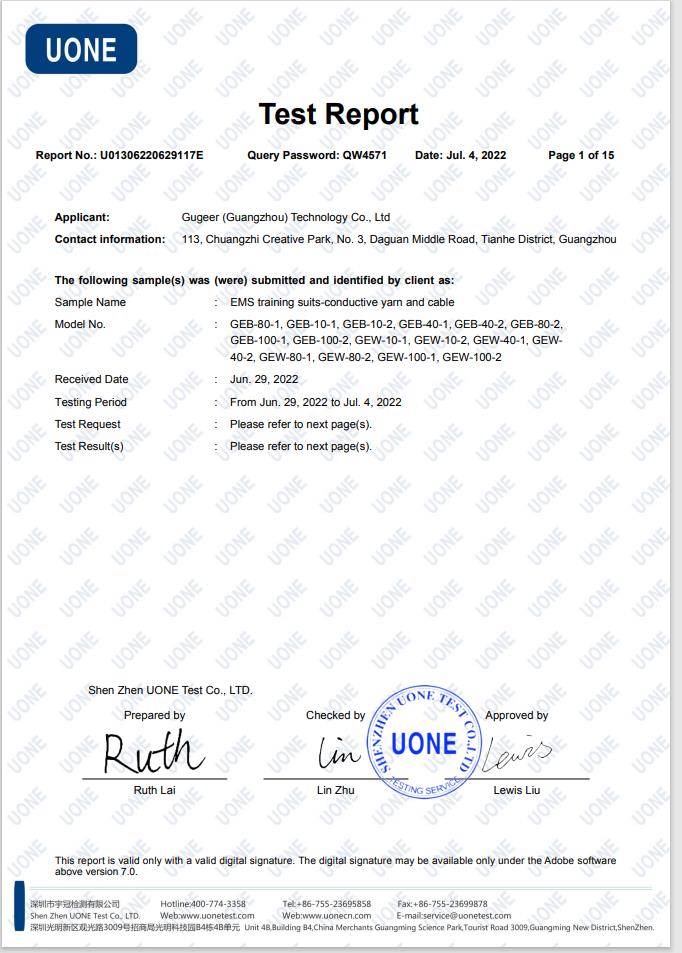
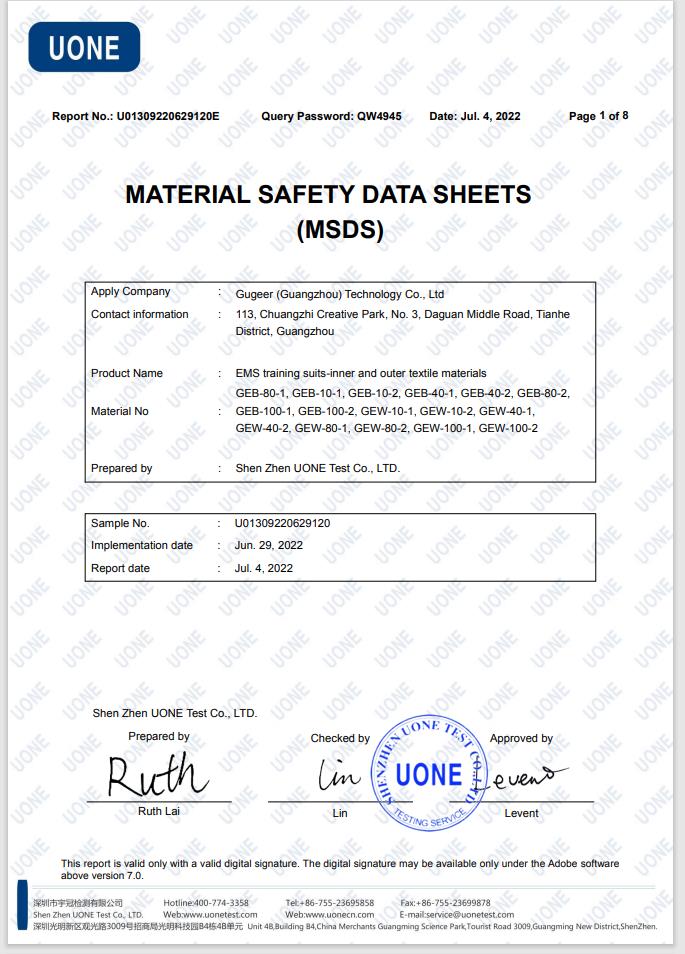
Safety is one of the most important parts of choosing an EMS manufacturer. The U.S. FDA explains that electrical muscle stimulators are regulated devices, and it warns that poorly controlled or unregulated products can be linked with shocks, burns, bruising, skin irritation, pain, and interference with implanted devices. This does not mean every EMS fitness product is unsafe. It means I should choose the manufacturer carefully.
For Europe, I would also check whether the supplier understands CE-related product responsibilities. The European Commission explains CE marking as a declaration that a product meets applicable EU safety, health, and environmental protection requirements. I would not treat CE as a simple logo. I would ask what standards were tested, which model was tested, and whether the report matches the product I plan to buy.
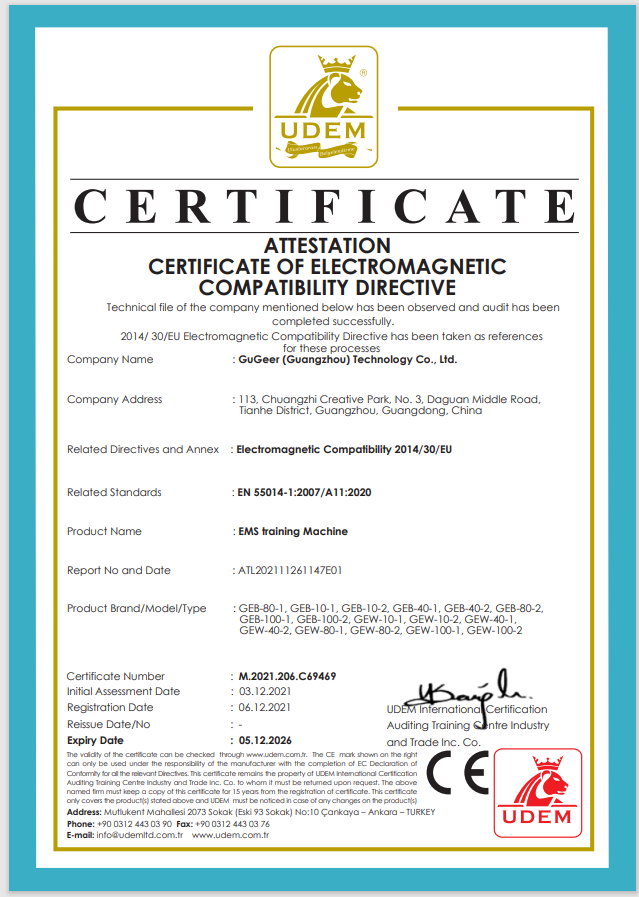
Compliance Questions I Would Ask
| Area | Questions I Ask |
|---|---|
| CE | Does the report match the exact model and device box? |
| RoHS | Are electronic parts tested for restricted hazardous substances? |
| REACH | Are materials checked for chemical safety concerns? |
| Battery | Is the battery tested for transport and safety requirements? |
| Instructions | Are contraindications and use limits clearly written? |
| Claims | Does the supplier avoid risky medical or weight-loss claims? |
For electronic products, I also care about RoHS. The European Commission RoHS page explains that RoHS restricts hazardous substances in electrical and electronic equipment. EMS systems often include electronic control boxes, chargers, cables, and batteries, so this topic is relevant for importers and brand owners.
I would also be careful with marketing claims. I do not want a supplier who tells me EMS will “melt fat,” “replace all exercise,” or “treat disease” without proper evidence and legal clearance. That kind of claim may create problems for advertising, customs, platforms, and customer trust. For B2B EMS business, safe and honest product language is better for long-term sales.
Why Is OEM And ODM Ability Important For My Brand?
Buying standard EMS products may work at the beginning. But if I want to build a real brand, I need more than a catalog item.
OEM and ODM ability helps my business customize EMS suit design, logo, packaging, device functions, software interface, size range, and product positioning. It is important when I want to sell under my own brand.
OEM and ODM service is not only about putting a logo on a suit. A serious EMS business may need many changes. I may need different suit sizes for my local market. I may need dry suits for home fitness users. I may need wet suits for gym and studio buyers. I may need a specific color, zipper design, packaging style, manual language, app display, or private label.
When I discuss customization with a manufacturer, I pay attention to how they answer. A weak supplier says, “Yes, we can do everything.” A stronger supplier asks questions first. They ask about my sales channel, target customers, order volume, country, safety requirements, packaging needs, and after-sales plan. That tells me they are thinking like a partner, not only like a seller.
OEM/ODM Items I Would Confirm
| Custom Area | What I Would Confirm |
|---|---|
| Logo | Position, method, durability, and MOQ |
| Suit design | Dry suit, wet suit, one-piece, or two-piece |
| Size range | Local body types and size grading |
| Device box | Battery, charging, channels, and connection |
| Software | Language, interface, connection, and control logic |
| Packaging | Retail box, manual, label, and barcode |
| Documentation | Test reports, user guide, and product photos |
Loksource offers full-chain OEM service from sample development to mass production. This is useful for a distributor or brand owner because product development often changes during testing. I may first want one EMS suit. Then I may realize the size range needs adjustment. Then I may need different packaging. Then I may need a simpler user manual. A flexible manufacturer can help me move through these changes without starting over each time.
I also believe OEM/ODM ability shows whether the factory has real internal control. If every change needs a third party, communication becomes slow. If the manufacturer has its own R&D, production, and quality control team, it can solve problems faster. That speed matters when I am preparing a launch or serving a large customer.
How Should I Test Samples Before A Bulk Order?
I never judge EMS equipment only from product photos. Photos can hide fit problems, weak output, bad stitching, and poor software experience.
Before a bulk EMS order, I would test samples for suit fit, electrode contact, stimulation consistency, device stability, software connection, battery life, cleaning method, packaging quality, and user comfort.
A sample test should be structured. I would not only wear the suit once and say it feels good. I would build a small checklist and test it like a business product. I would check the first impression, but I would also check performance after repeated use. EMS equipment must work again and again. A studio may use the same system many times each week. A distributor may receive customer complaints if the system fails after delivery.
Fit is one of the first things I test. If the suit is too loose, electrode contact may be weak. If it is too tight, the user may feel uncomfortable. Dry and wet EMS suits also feel different. Wet suits may provide stronger contact, but they need more setup and cleaning. Dry suits may be easier for home users, but the design must still keep good contact with the body.
My Sample Testing Checklist
| Test Item | What I Check |
|---|---|
| Suit fit | Does it fit real users, not only models? |
| Electrode contact | Is stimulation balanced across muscle groups? |
| Device box | Does it connect fast and stay stable? |
| Software | Is it easy for trainers or users to control? |
| Battery | Does it last long enough for real sessions? |
| Comfort | Can users move naturally during training? |
| Cleaning | Is the suit practical for studio operation? |
| Packaging | Does it feel ready for my market? |
I would also run a basic business test. I would ask one trainer, one beginner user, and one experienced user to try the system. Each person will notice different things. A trainer may notice control issues. A beginner may notice comfort and fear. An experienced user may notice stimulation depth and movement freedom. This helps me understand whether the product is ready for real sales.
After testing, I would send detailed feedback to the manufacturer. I would watch how they respond. If they understand the feedback and offer clear solutions, that is a good sign. If they only defend the product and avoid responsibility, I would be careful before placing a bulk order.
What Kind Of After-Sales Support Should I Expect?
Many buyers focus on price before ordering. But after-sales support often decides whether the EMS business can keep running.
A good EMS manufacturer should provide clear manuals, technical support, spare parts, warranty terms, troubleshooting help, training guidance, and fast communication after delivery.
After-sales support is not only for emergencies. It is part of the product experience. If I sell EMS equipment to gyms, salons, studios, or home users, they will ask questions. They may ask how to connect the device box. They may ask how to clean the suit. They may ask why one channel feels weaker. They may ask how often to charge the box. If I cannot get answers from the manufacturer, my own customers lose trust in me.
I would ask the supplier about support before paying for a large order. I would ask who handles technical questions. I would ask how fast they usually reply. I would ask whether they can provide videos, manuals, spare parts, and troubleshooting guides. I would also ask about replacement rules for device boxes, batteries, cables, electrodes, and suits.
After-Sales Support I Would Require
| Support Area | Why It Matters |
|---|---|
| User manual | Reduces wrong operation |
| Training video | Helps distributors and studios teach users |
| Spare parts | Keeps equipment running after small failures |
| Warranty terms | Makes responsibility clear |
| Troubleshooting guide | Saves time when problems happen |
| Fast reply | Protects my customer relationship |
| Product updates | Helps the brand improve over time |
In EMS business, small issues can become large trust problems. If a suit does not connect well during a client session, the studio looks unprofessional. If a home user cannot understand the manual, they may stop using the product. If a distributor waits two weeks for a basic answer, they may lose a customer. So I see after-sales support as part of product quality.
This is also why I prefer a manufacturer with a full-chain service model. A company that controls R&D, production, OEM customization, and quality inspection can usually give better answers. It understands the product from inside to outside. That is more useful than a trading company that only forwards messages.
How Do I Compare Price Without Choosing The Wrong Supplier?
Price matters. I still care about cost. But I do not want the lowest price if it creates higher risk later.
I would compare EMS manufacturer prices by looking at total value, not only unit cost. I would include quality, compliance, customization, support, warranty, spare parts, delivery, and long-term reliability.
When I compare suppliers, I build a total cost view. The unit price is only one part. A cheap EMS suit may cost less at first, but it can become expensive if the zipper fails, the electrode contact is poor, or the fabric loses shape. A cheap device box may look good, but it can damage my reputation if the battery is unstable or the software connection is weak.
I also compare what is included. One manufacturer may include packaging, manuals, logo service, product photos, and technical support. Another may charge extra for every small item. One supplier may have higher sample cost but better production control. Another may offer cheap samples but unstable mass production quality. I would rather pay for predictability than pay for constant problems.
Price Comparison Framework
| Cost Area | Low-Price Risk | Better Value Signal |
|---|---|---|
| Suit material | Weak comfort and shorter life | Durable fabric and stable fit |
| Electrodes | Uneven stimulation | Balanced contact and clear layout |
| Device box | Poor battery or unstable output | Reliable charging and control |
| Software | Hard to use | Simple connection and stable operation |
| Compliance | Missing documents | Clear test reports and model match |
| Support | Slow replies | Fast technical help |
| Warranty | Unclear responsibility | Written terms and spare parts |
I also think about the market I want to enter. If I sell to premium EMS studios, the product must feel professional. If I sell to home users, the product must be easy and safe to understand. If I sell to distributors, the product must be repeatable in bulk. These goals are different, so the cheapest supplier is rarely the best supplier for every case.
A good EMS manufacturer helps me reduce hidden costs. It helps me avoid product returns, customer complaints, relabeling problems, import delays, and brand damage. That is why I would choose a manufacturer who can grow with my business, not only one who gives the lowest quotation today.
Conclusion
I would choose an EMS manufacturer by checking safety, experience, OEM/ODM ability, sample quality, support, and long-term value before I compare price.